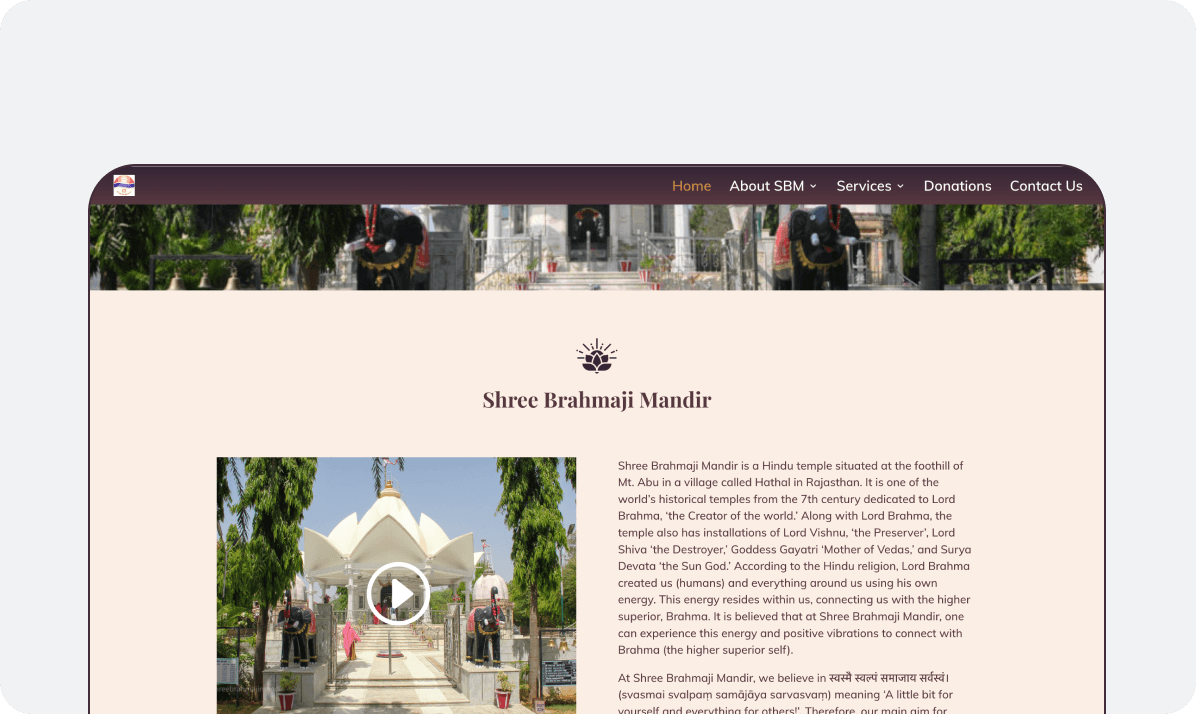
Product
Website
Skills
Design principles
Information Architecture
Stakeholder management
Development
Content writing
My role
UX designer + developer
Timeline
4 months (2023)
Team
Solo
The Problem A Brahma temple serving a diverse community had virtually no online presence. Their single-page 1990s-style website was undiscoverable, unprofessional, and creating real barriers:
Couldn't be found online: Google Maps showed incorrect location
New visitors got lost: Temple administration fielded constant calls for directions
Young people wanted to volunteer but had no way to connect until random community events
No design foundation: No color palette, no design patterns, no cohesive visual identity
Offline-only processes: Volunteer sign-ups via paper forms, phone calls, or in-person only
The Urgency Temple administration needed a functional website before their April 2023 event to raise awareness and support growing community engagement.
Research & Constraints
Budget: $0 (pro bono work, couldn't accept payment from US)
Timeline: Launch before April 2023 event
Content: Provided brief, wrote and got approval for final copy
Images: Low-quality unedited photos required extensive editing; supplemented with stock imagery
Platform: WordPress with Divi Builder (administration's choice for future editing capability)
Users: Ages 16-55, speaking Hindi/Gujarati/English, with varying tech literacy and diverse needs
Competitive Analysis Analyzed temple website structures to understand common information architecture patterns and layout conventions, identifying best practices for spiritual community platforms.
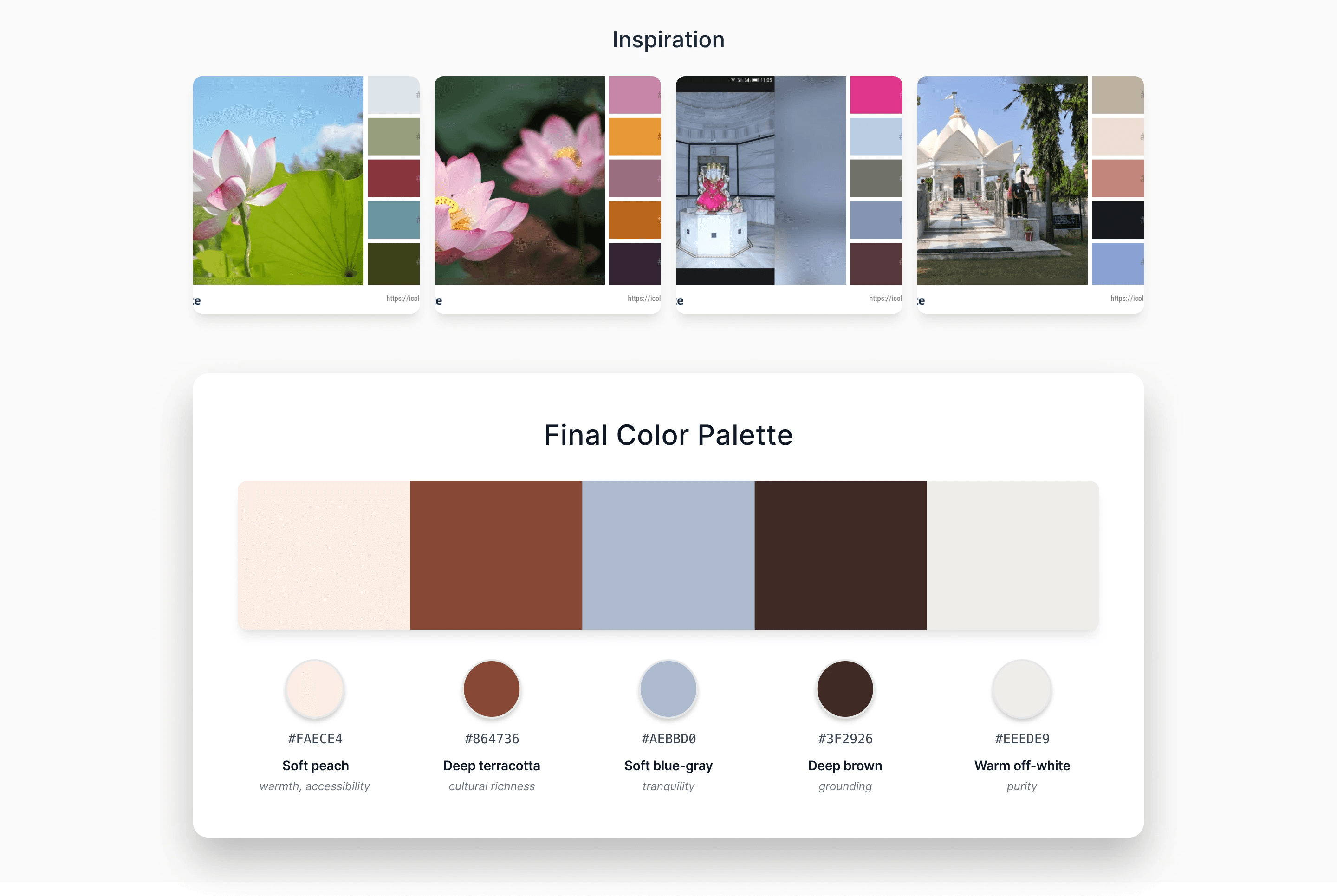
Visual Identity Created modern, minimal design inspired by the lotus flower—Lord Brahma's seat and the temple's architectural form.
Design Principles:
Cultural sensitivity: Used AI assistance to ensure polished, culturally appropriate content
Accessibility: Simple navigation, large touch targets, clear hierarchy following WCAG standards
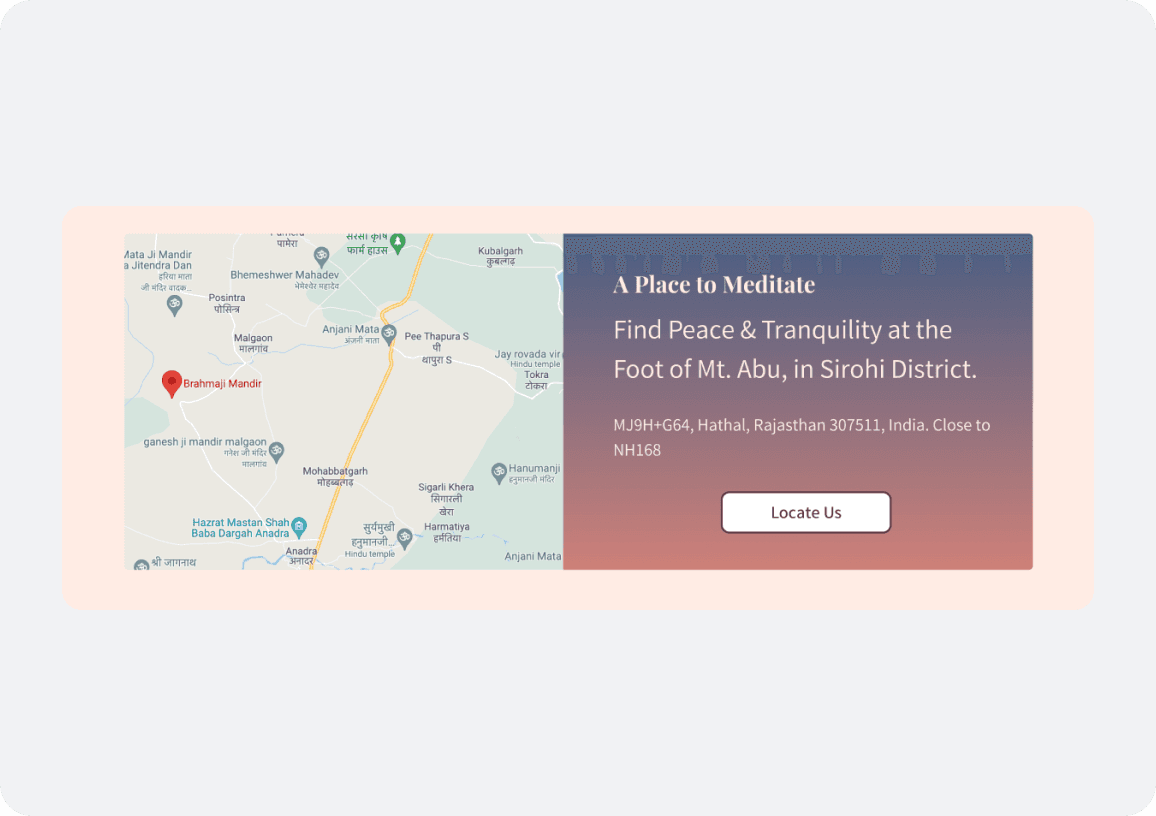
Solving discoverability
Location
Volunteer connection
Information architecture organized content to serve diverse user needs:
Technical execution
Design to Development
Created complete designs in Figma
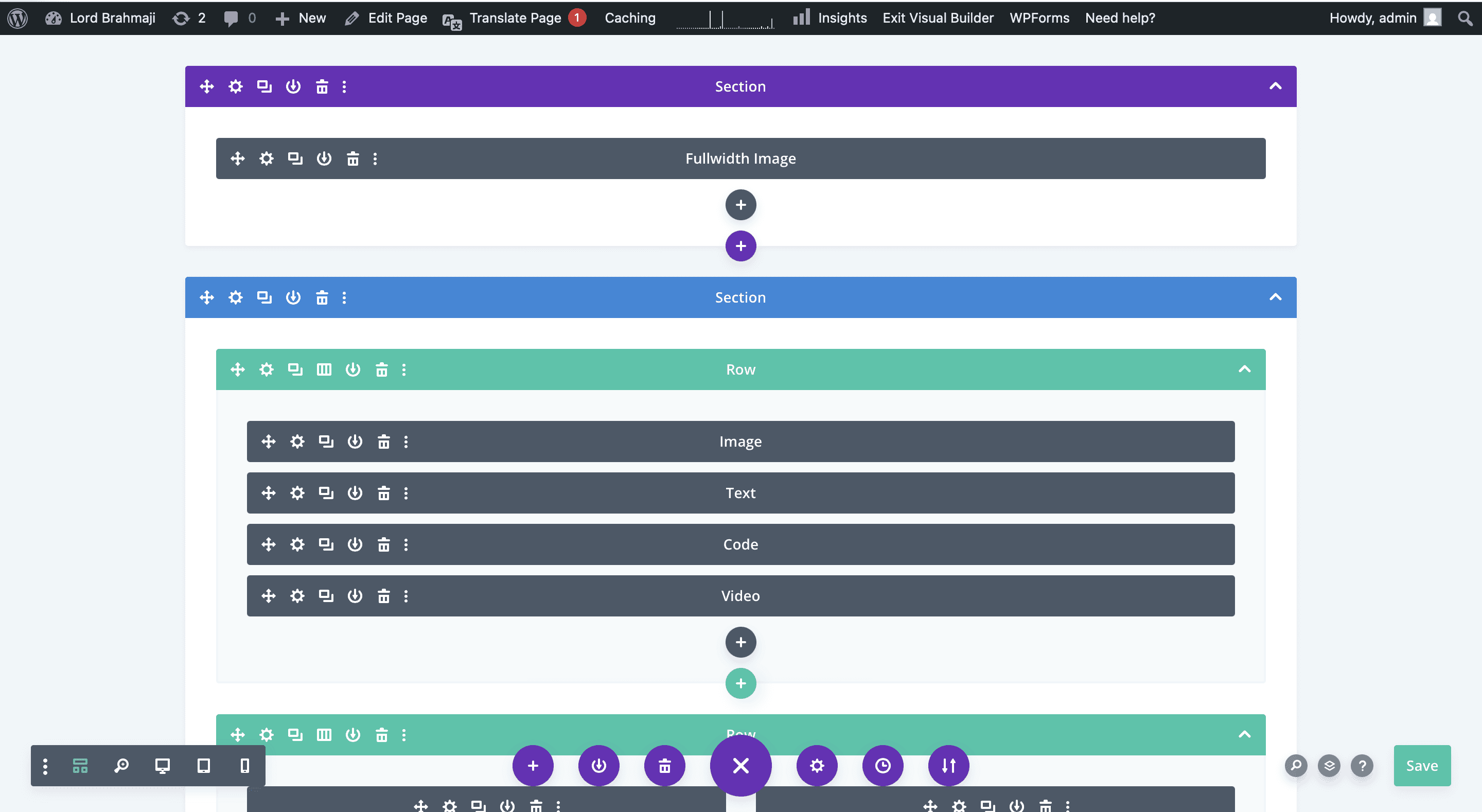
Developed custom WordPress site using Divi Builder
Built reusable layouts and components to accelerate development and enable future updates
Edited low-quality images professionally; sourced supplementary stock photos
Ensured responsive design across devices (critical for mobile-first users)
Building the experience
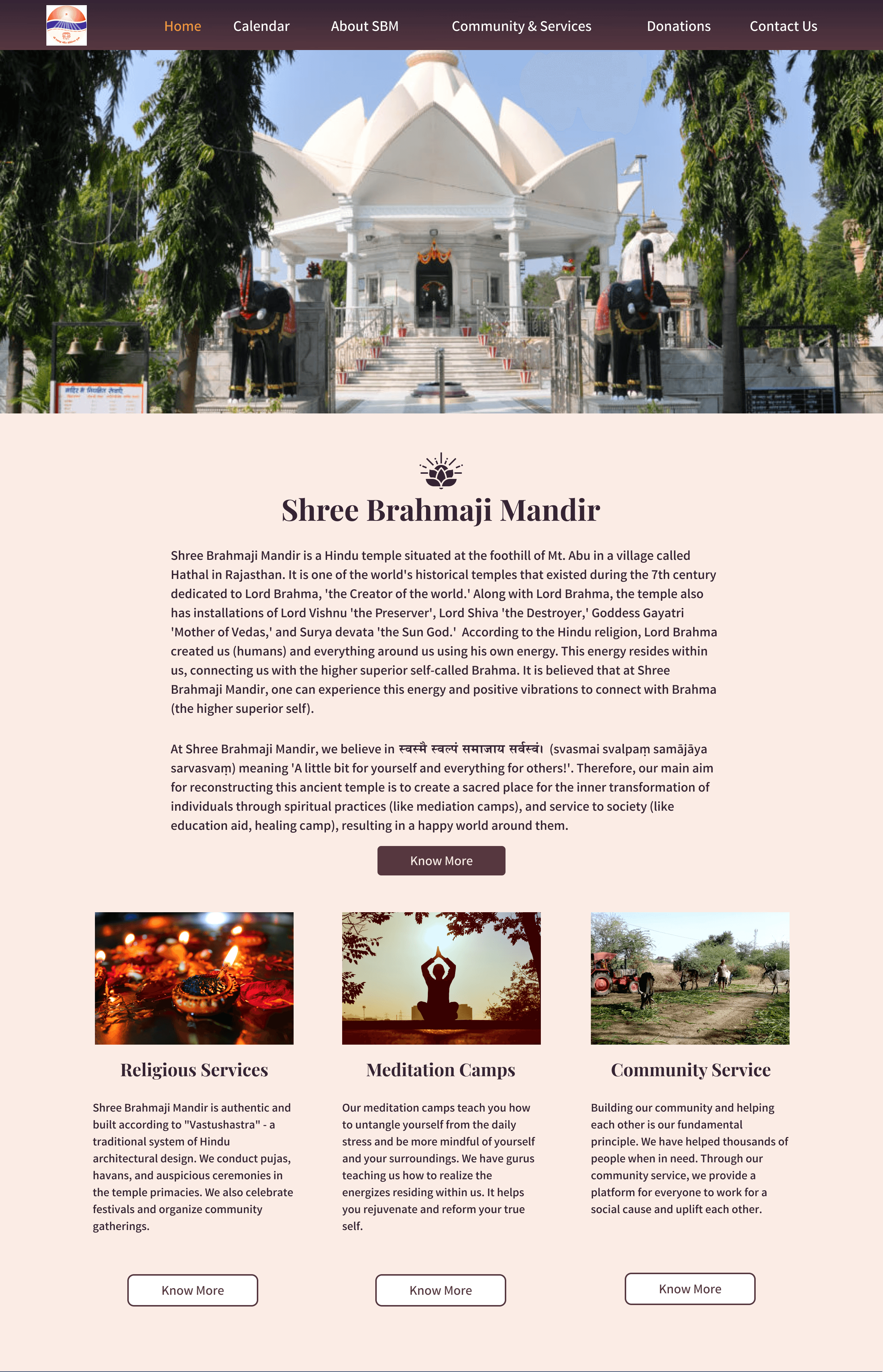
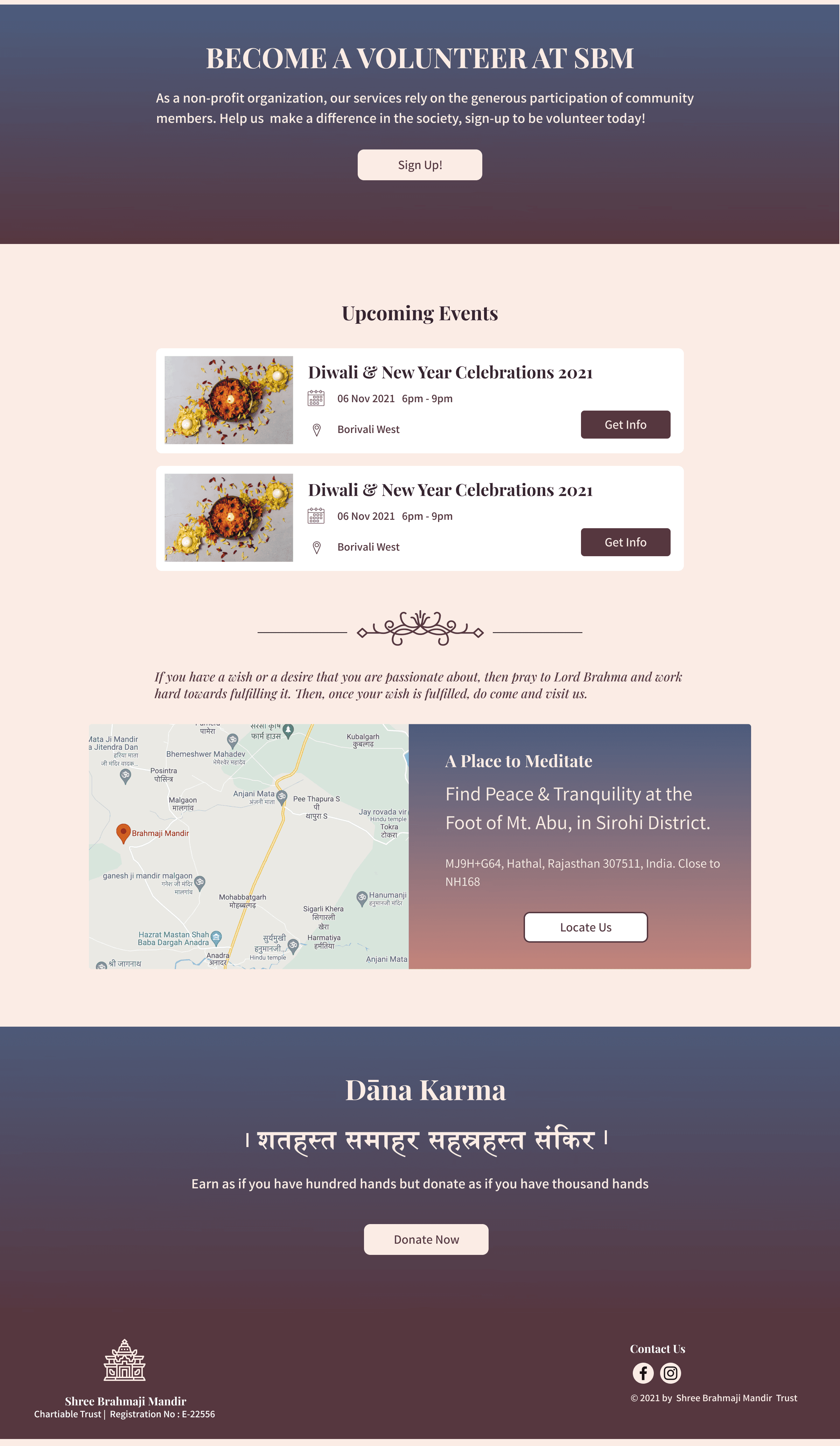
Measurable Outcomes:
31% increase in website visitors
26% increase in page views
Reduced location-inquiry calls to temple administration (qualitative feedback)
Smoother volunteer sign-up process replacing paper/phone/in-person-only system
Community Feedback: Temple administration reported significant reduction in directional calls from new visitors and streamlined volunteer coordination process.
What I'd Do Differently:
Add service pages: Information about temple services and ceremonies
Online service booking: Enable sign-ups for pujas and other services directly through website
Earlier component planning: Establishing reusable design system earlier would have accelerated development further
Key Takeaway:
When building with WordPress-like platforms, investing time upfront in reusable layouts and components significantly reduces total build time and improves long-term maintainability.